When your attribution data is off, every decision that follows is too. You end up funding campaigns that look busy but don’t convert, while starving the ones quietly driving revenue.
This means months of spend with nothing predictable to show for it.
Accurate attribution isn’t complicated once you approach it the right way. It starts with a CRM that acts as your single source of truth and a few critical systems that make every click, call, and form submission traceable.
Here’s how we set it up to reach 98.5% attribution accuracy.
Key Notes
A two-form system separates casual inquiries from high-intent leads for cleaner qualification.
Eliminating direct email ensures every conversion is fully trackable within the CRM.
Dynamic phone tracking ties calls to exact campaigns through JavaScript number switching.
CRM automation tags, categorizes, and reports all leads by source with zero manual effort.
The Two-Form Strategy: Standard Contact vs. High-Intent Booking
We don't just slap a generic contact form on every page and call it a day. We implement a strategic two-form approach:
Form #1: Standard Contact Form
We create custom forms either through the CRM (which we embed on the website through an iframe) and/or we create a custom form that links to the CRM via API.
This main contact form, normally on a contact page, is for general inquiries and questions.
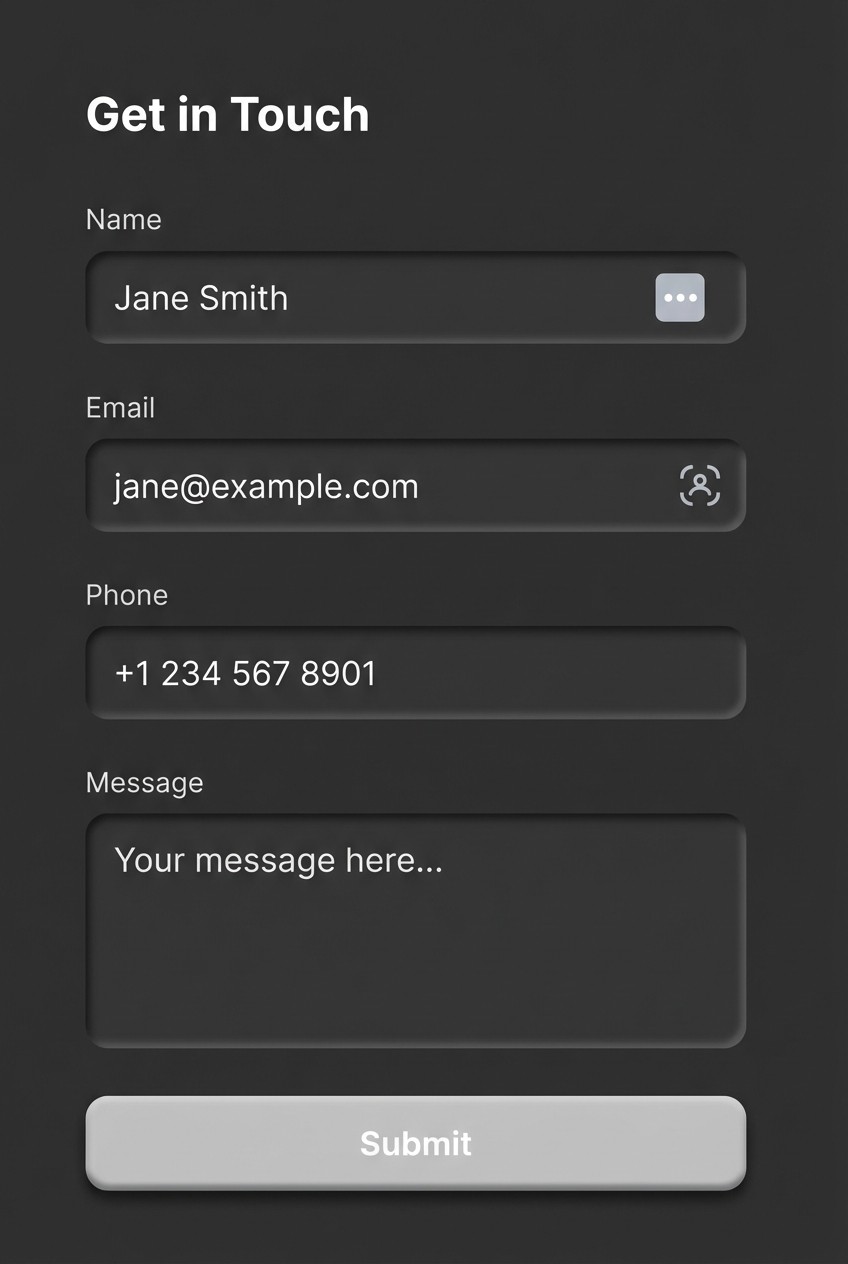
Form #2: Multi-Step Consultation Booking Form
Our multi-step custom form is specifically created for "Booking a Consultation" (or similar high-intent action).
Why? Because it's more engaging and gives us the ability to:
Increase friction to filter for higher-intent leads and remove time wasters
Double down on our USPs (Unique Value Propositions)
Display reviews and testimonials throughout the form
Create a more professional and established sign-up process
Increase trust on the site through progressive engagement
The multi-step format naturally qualifies leads better while improving conversion rates through commitment and consistency principles.

Why Eliminate Email as a Primary Contact Method?
Instead of having email listed on the site, we only have the phone number and contact forms as point of contact methods.
The reason: Email submissions are impossible to track accurately. Someone can land on your website from a Google Ad, leave, and email you three days later from a referral.
There's no way to attribute that to the right source.
By eliminating email as a contact method and only using trackable channels like calls and forms, every conversion feeds directly into our CRM with full attribution data attached – no guesswork, just clean data.
Strategic Phone Number Setup for Maximum Tracking
We buy tracking numbers directly in the CRM, which then forward to the client's actual business line. But we don't just buy one number – we implement a strategic multi-number approach.
Our Phone Number Strategy:
1. Local Area Code Number
We always get a number with a specific area code because this is very important for Local Ranking Factors.
If it's a Seattle business, we get a phone number with area code 206. This helps with local SEO while building trust with local customers.
2. Campaign-Specific Numbers with JavaScript Switching
We set up dedicated tracking numbers for specific campaigns and use custom JavaScript to dynamically swap phone numbers based on where the visitor came from.
Here's how it works:
When someone clicks a Google Ad and lands on your website, our JavaScript reads their cookies and automatically displays the Google Ads tracking number. If they leave and come back organically later, their cookie keeps the ads number displayed – ensuring proper attribution to the original source.
This means we don't need multiple versions of the same page or duplicated navigation menus. One website, multiple tracking numbers, perfect attribution.
Campaign-Level Form Attribution: The Secret Sauce
So how do we track attribution across different forms? That's easy.
We set up custom forms for each specific campaign. If it's a Google Ads form, we set up that specific form on the ads landing page. If it's for organic traffic, that form lives on the main website contact page.
With CRM automations, we can tag and trigger each form based on campaigns.
This means:
Form A submission = Auto-tagged "Google Ads - Service Page"
Form B submission = Auto-tagged "Organic - Contact Page"
Form C submission = Auto-tagged "Facebook Ads - Lead Magnet"
Every lead that comes in is automatically categorized by source, campaign, and intent level – no manual work required.
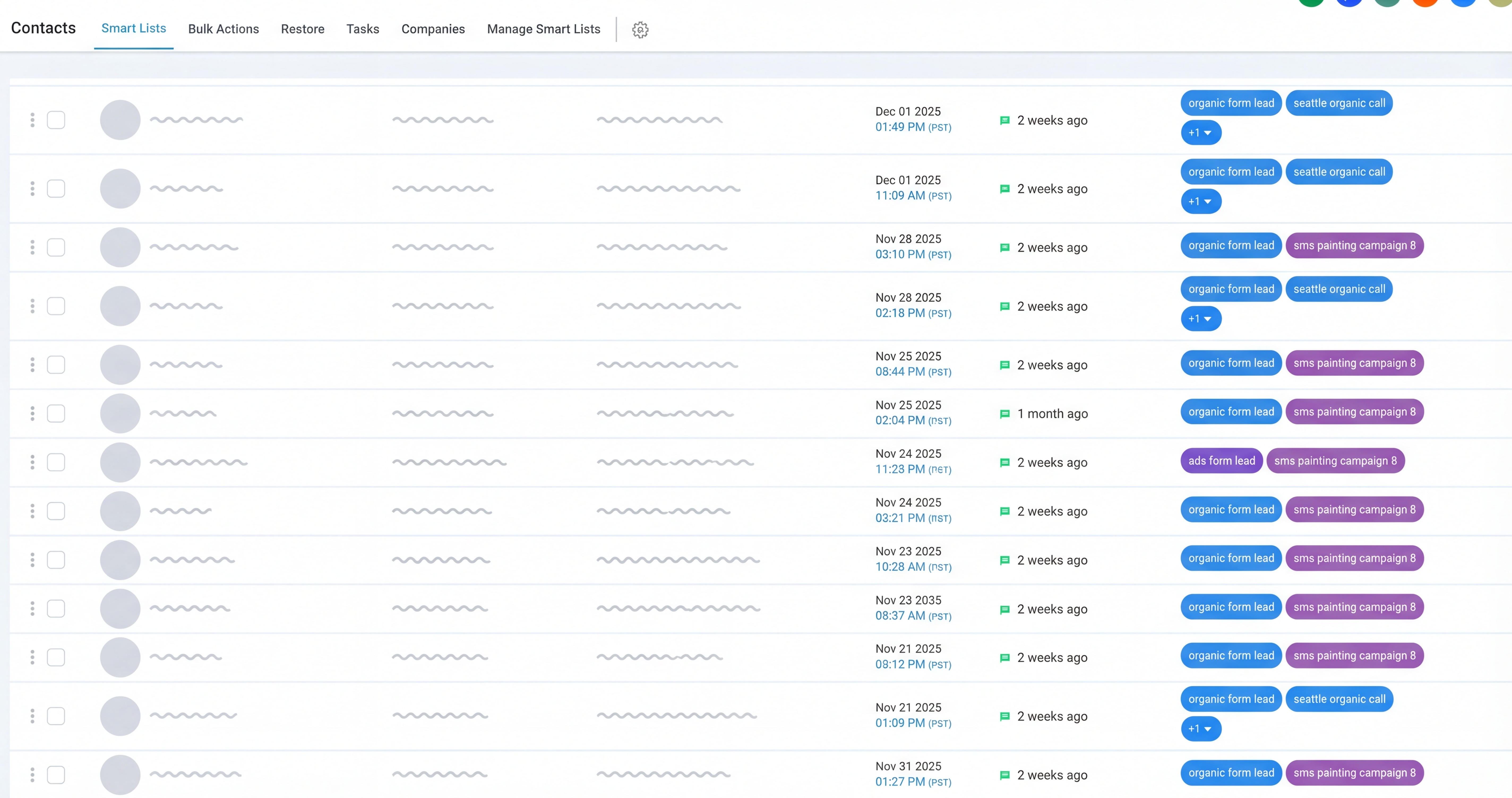
Automated Reporting: See Exactly What's Working
Lastly, in terms of reporting on these marketing efforts, we create custom views within the CRM with a clean filtering system for:
Calls
Form submissions
Campaign-level performance
Here's why this matters: If we have a total of 50 form submissions, but 20 came from Google Ads, we can separate that into a custom view to make reporting automated, instead of manually going through all leads and trying to figure out where they came from.
This means we can instantly answer questions like:
"How many leads did Google Ads generate this month?"
"What's our cost per lead by channel?"
"Which campaign has the highest consultation booking rate?"
All without touching a spreadsheet.
Why Go High Level (Or Similar CRM) Is The Solution
That's why an effective CRM system like Go High Level is the solution for performance marketing agencies.
It combines:
Form builders with API integrations
Call tracking with campaign-level attribution
Automation for tagging and routing leads
Custom reporting views for client dashboards
All-in-one platform
More on CRM selection and setup coming in future content, but this is mainly what we do when setting up attribution tracking for our clients.
The Bottom Line
When you implement this CRM-first attribution system, you eliminate the guesswork from marketing.
You know exactly:
Where every lead came from
Which campaigns are worth scaling
What your true ROI is across all channels
Where to cut spend and where to double down
That's the difference between hoping your marketing works and knowing it works.
If you want full visibility into what’s driving revenue – not guesses and spreadsheets – Rainmaker Remodel can set this up for you. Book your free discovery call.